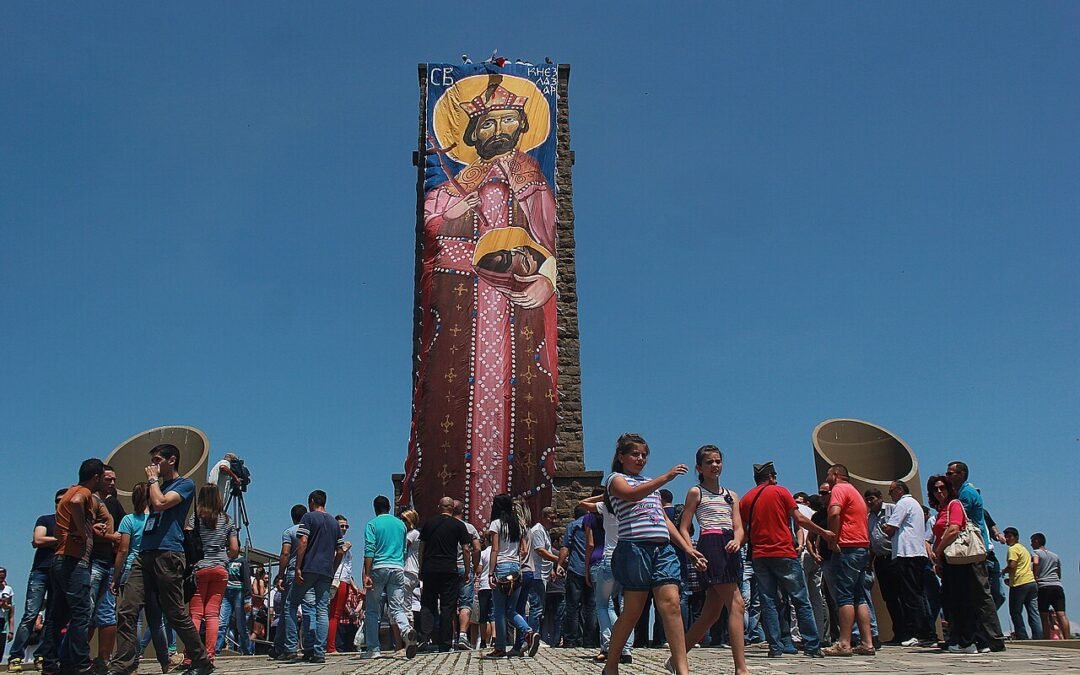
At the inception it is placed within the framework of Serbian religious heritage and commemorative tradition, Vidovdan has been rebranded during the political modernity of the Balkans emerging as a central node of Serbian nationalism and as an important fulcrum of historical-political narratives about Kosova. In this process, it has gone beyond the functions that transcend the dimension of historical memory, becoming part of a discourse on identity, sovereignty and territorial legitimacy.
In this backdrop, the issue of Vidovdan in Kosova cannot merely be reduced to a debate on religious freedom or cultural expression. It must be understood as a combination of historical memory, political mythology and state sovereignty in a post-conflict space that serves as a strategic depth for Albanians. Therefore, its political nudge and exaggerated regional propaganda campaign constitutes a matter of public discourse and jeopardizes Kosova’s institutional stability and democratic security.
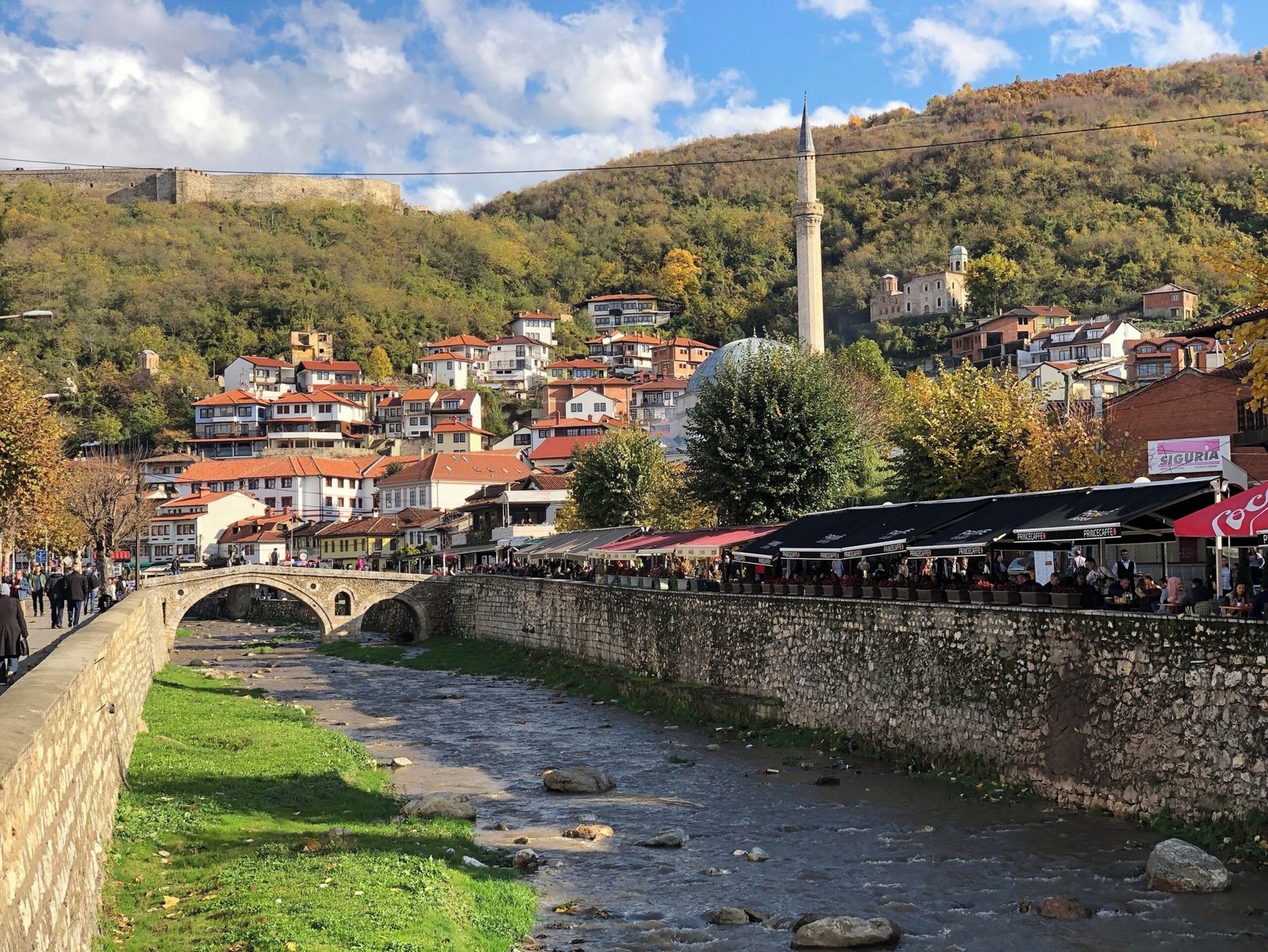
From this candid perspective, the interpretation of the Battle of Kosova as the prime source of an exclusive historical legitimacy over the territory of Kosova is considered to be a product of later European nationalisms, taking shape especially during the 19th and 20th centuries, a Serbian mindset that has projected a distorted interpretation of political modernity onto the main battles of the Middle Ages. In our time, these misleading historic narratives are crossing continents and oceans; the lectures delivered on July 10th, 2024, by Prof. Dr. Slobodan Pajovic (of the University of Belgrade, Serbia) at the Catholic University of Asuncion, are a genuine example of how nations penetrate into fertile academic grounds, with the intention to spread fake narratives.
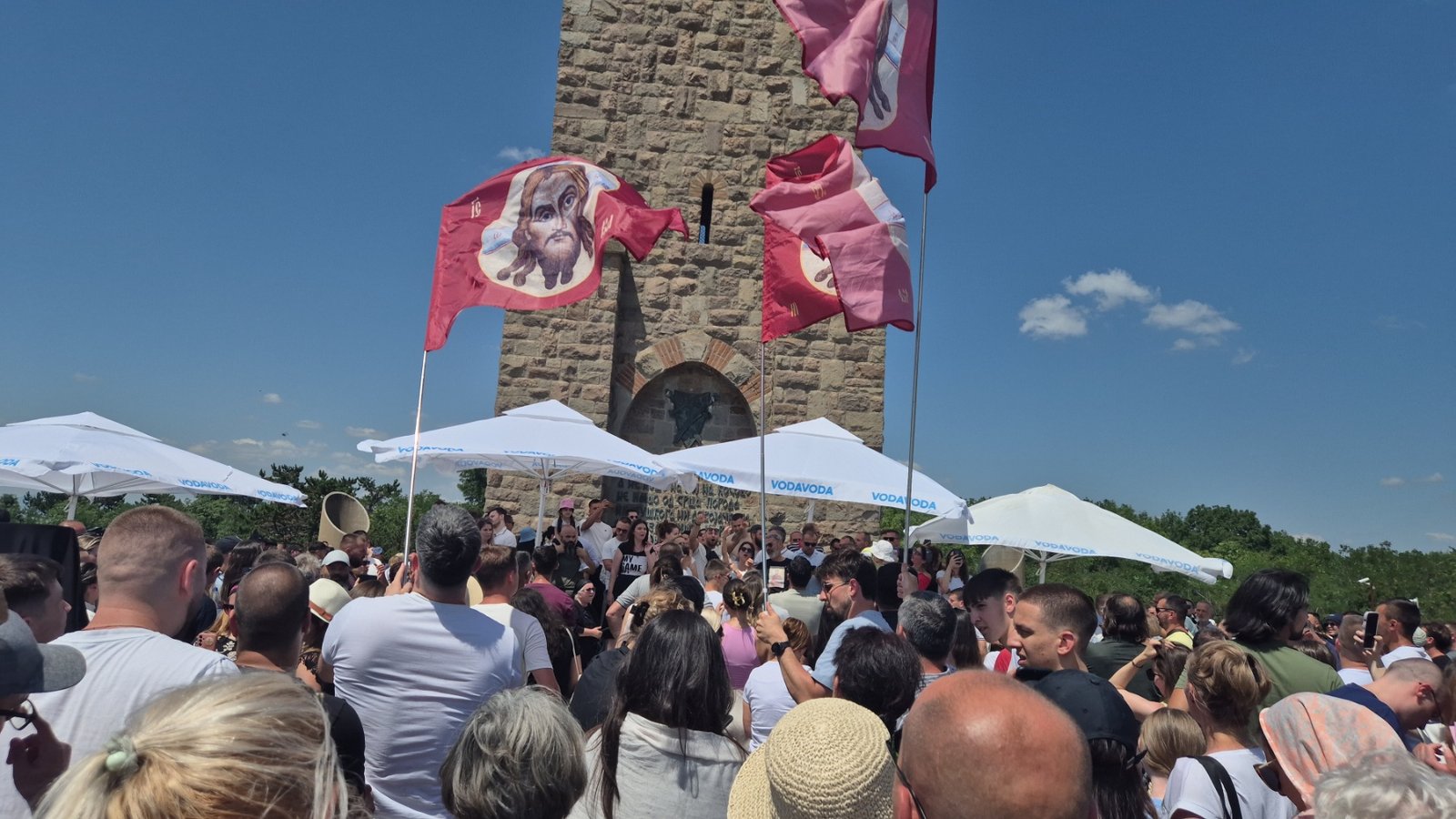
Misleading geopolitical analysis and academic discourse has been the fulcrum of Serbian propaganda warfare in the European Union Geography and the region of Latin America.
According to Albanian historiography, Vidovdan is mainly treated within the following analytical levels:
1. As a Serbian religious and cultural tradition;
2. As a propaganda tool of what is known by critical literature as the “Kosovo Myth”; and
3. As an instrument used in political discourses for territorial and symbolic legitimacy.
This erroneous approach has been particularly strengthened after Slobodan Milošević’s speech in Gazimestan (1989), which elevated an important moment for this historic symbol within the contemporary political polarization stage.
In Contemporary white papers on nationalism, comparative politics and modern conflicts, historical symbols are considered as elements of collective memory and as important sources of political power and symbolic legitimacy. In this backdrop, Vidovdan has reached the zenith of attention in Serbian political narrative and for decades is used as an instrument for Belgrade’s historical territorial connection with what is known throughout the world today as Kosova.

In this setting, Vidovdan can be analyzed as an instrument of what scholars consider as the concept of “Politics of memory”, where weaponization and biased interpretations of the past are used to influence present-day political debates and shape undercover chauvinistic narratives. Through rituals, political statements, traditional media, and social networks, the symbolism of Vidovdan continues to reproduce the narrative of Kosova’s territory as a central space of Serbian historical identity. This does not necessarily constitute a destabilizing act, but it becomes politically sensitive when it is used to question the legitimacy of the institutions of the Republic of Kosova or to fuel exclusionary narratives toward the political reality created after the country’s independence in 2008.
From the viewpoint of security theory, the problem is not with the historical commemoration but in the transformation of this symbol into an instrument of political communication. It is at this point that Vidovdan gains a special importance as an object of study: it serves as a bridge between historical memory, national identity, and contemporary discourses on sovereignty.
In a pressing geopolitical environment where competitive narratives in the Balkans are on the rise, hybrid warfare is waged primarily in the information domain. This means that the battle is not only for the control of territory, but also for the control of the meaning of history, symbolism, and political legitimacy. In this context, Vidovdan can be seen as one of the mechanisms through which Serbian identity narratives with political influence are produced and circulated widely.
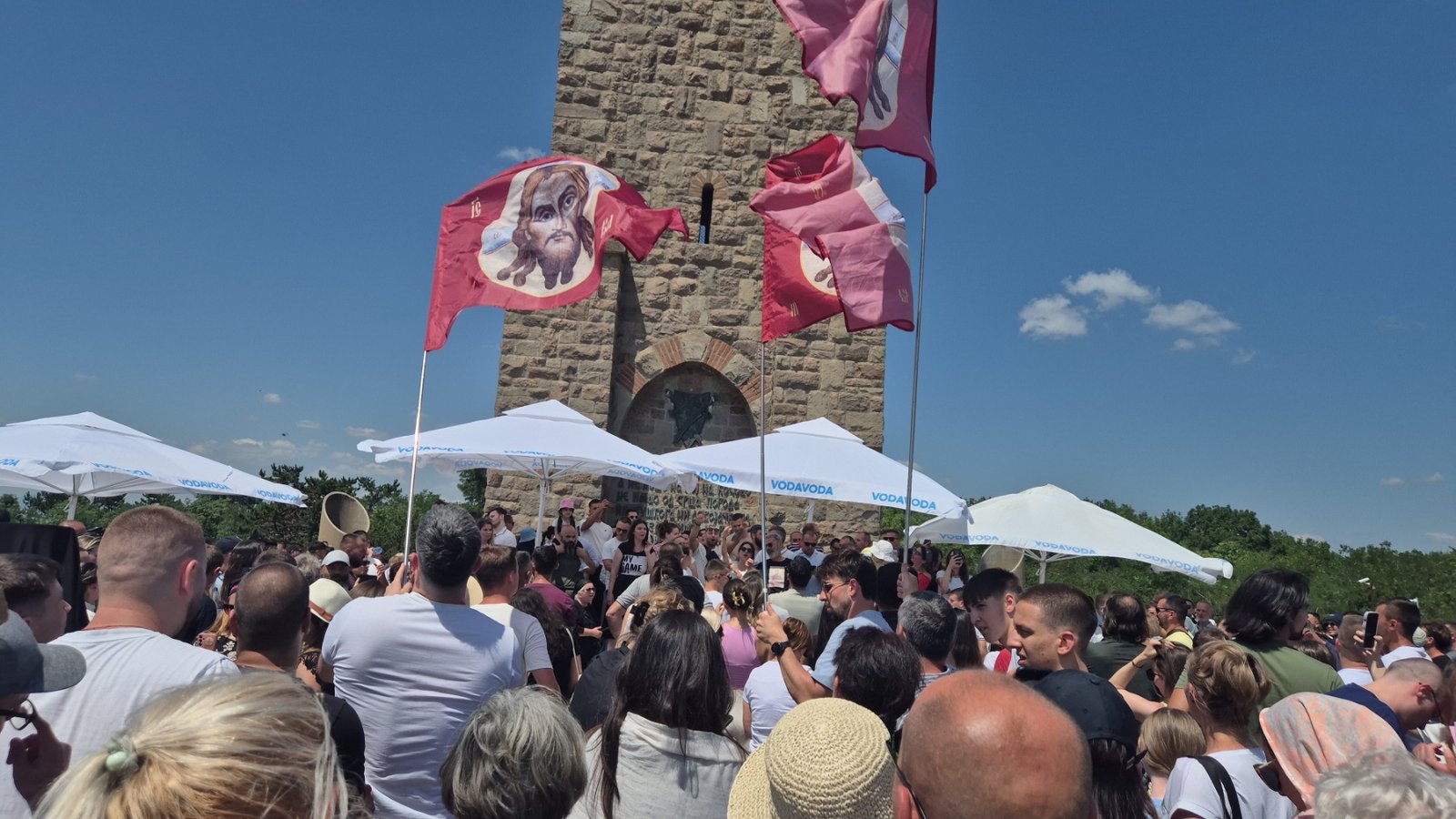
For this reason, academic analysis of Vidovdan should not only focus on its historical origins, but also on its contemporary function as an element of strategic communication and instrument of politics of memory. In the era of hybrid warfare, historical symbols often become as important as traditional instruments of power, because they influence the way societies understand the past, interpret the present, and project the future. In this sense, Vidovdan remains one of the most significant examples of how a historical event is transformed and yielding an ongoing propaganda rhetoric of symbolic legitimacy and further raises unnecessary ill deceived political competition in Southeast Europe.
In the context of Kosova after 1999, Vidovdan does not embody a purely ceremonial function, but often appears as an event with a high symbolic and political burden. For this reason, it has become a critical part of the sensitive dynamics of law and order and management of rule of law within the broader interpretation of state sovereignty.
The Gazimestan speech (1989) remains a landmark in this debate, as it marks the moment when a historical narrative was articulated in a political context with direct negative consequences for ensuing developments in the region. In this perspective, Kosova’s institutional limits on the use of Vidovdan symbols imposed by external political actors can be interpreted as part of legitimate exercise of state sovereignty and not as a restriction on religious freedom.
In modern democracies, freedom of memory and cultural expression is a fundamental principle. However, when historical symbols are used as tools for chauvinistic aspirations and monoethnic communities as well as for political purposes that may incite interethnic tensions or challenge the constitutional order of a republic; they certainly enter in the realm of public security and politics of memory.
Translated from the Albanian Language by: Peter Marko Tase